our blog
Field Journal
a collection of resources, reflections, and design stories
SITES™ Overview
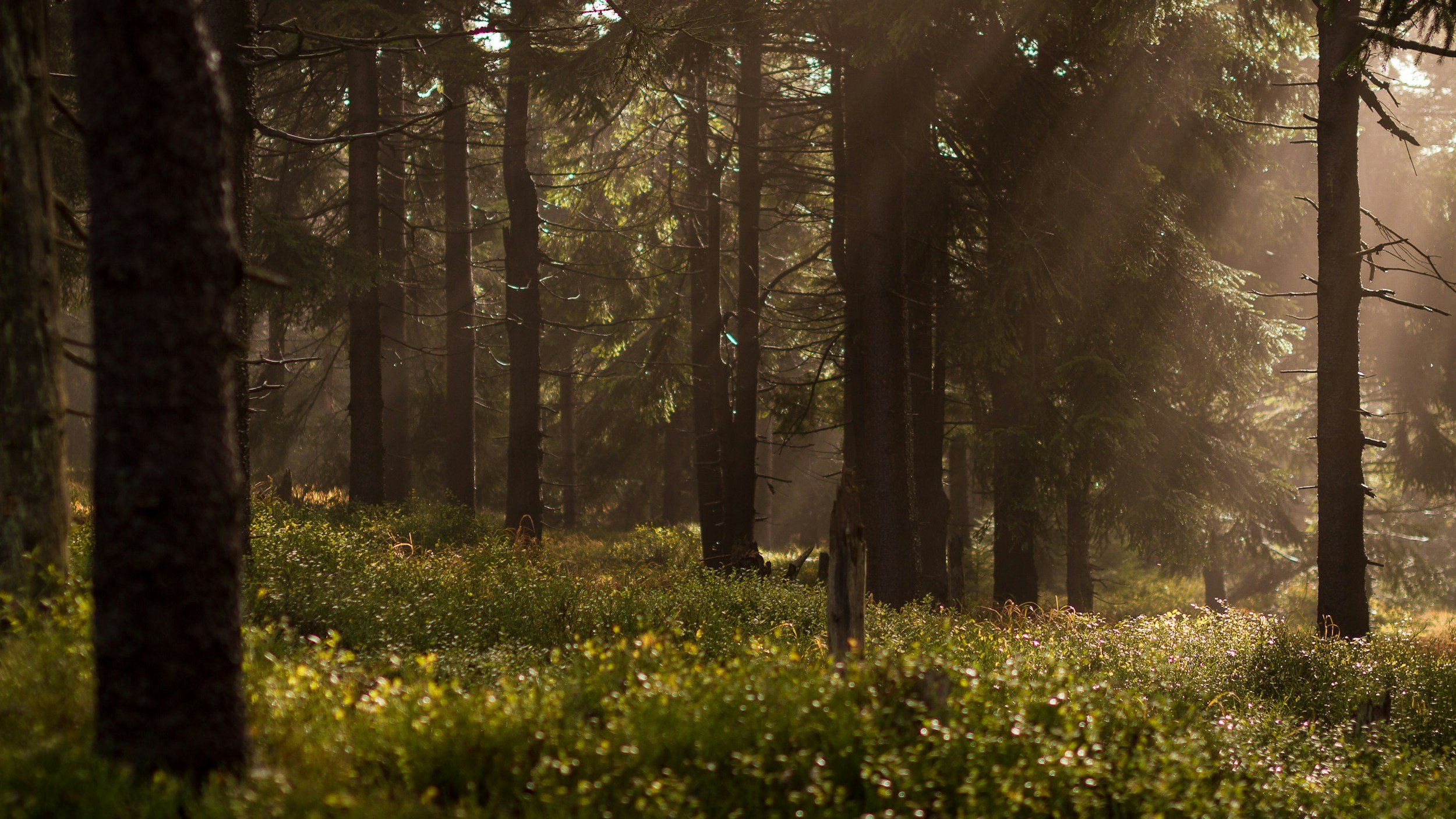
This overview article explores some of the fundamentals of the Sustainable Sites Initiative. From understanding a site’s characteristics and elements to designing with the nature of water, vegetation, and materials, these resources provide guidance and insight into sustainable landscape design practices.
As you’ll explore in Site Assessment, it’s important to take a layered approach when both understanding and designing for any landscape. This means observing and measuring characteristics of how water moves, how plants grow, how materials impact our experience. By incorporating natural systems into our design logic, we create spaces and places that last generations and embody meaning.
Site Assessment
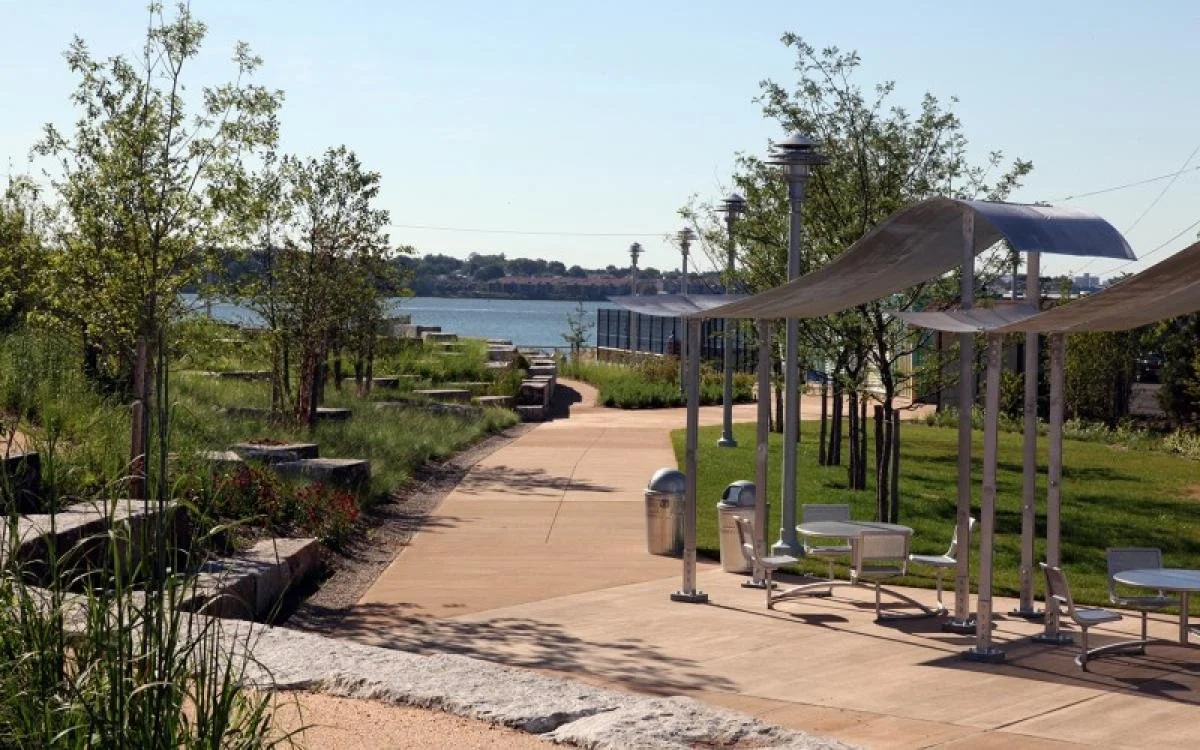
In order to achieve SITES™ accreditation, a landscape intervention must (among a few other prerequisites) maximize the opportunities for beneficial site performance by conducting an accurate and detailed assessment of site conditions and exploring options for sustainable outcomes prior to design. Each project must map existing site conditions and resources, collect information about surrounding areas (including non-physical influences like policy), and explain how this information will influence the sustainable design.
Managing Precipitation on Site
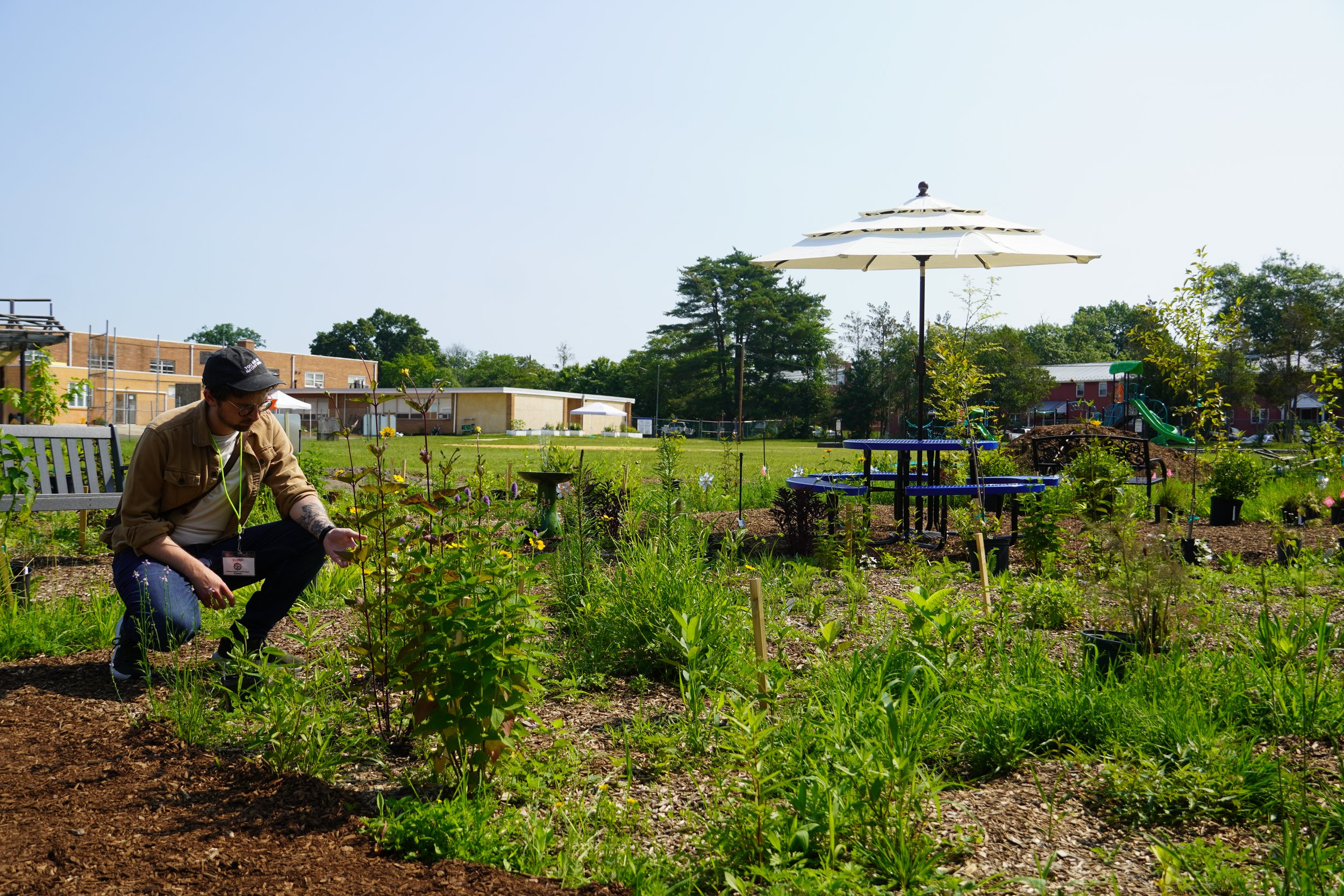
For hundreds of years, industrial, agricultural, and urban development have degraded and disrupted natural systems, increased impervious surfaces, polluted watersheds, and emitted greenhouse gasses which have resulted in the climate crisis and its alarmingly destructive weather events we experience today.
A raindrop hits the ground of a parking lot, slicks off with accelerating speed towards a gutter, collecting pollutants and litter along the way. It enters a series of concrete tubes and eventually to the ocean: never to pass through a plant’s roots or an animal’s lips all while toxifying everything downstream.
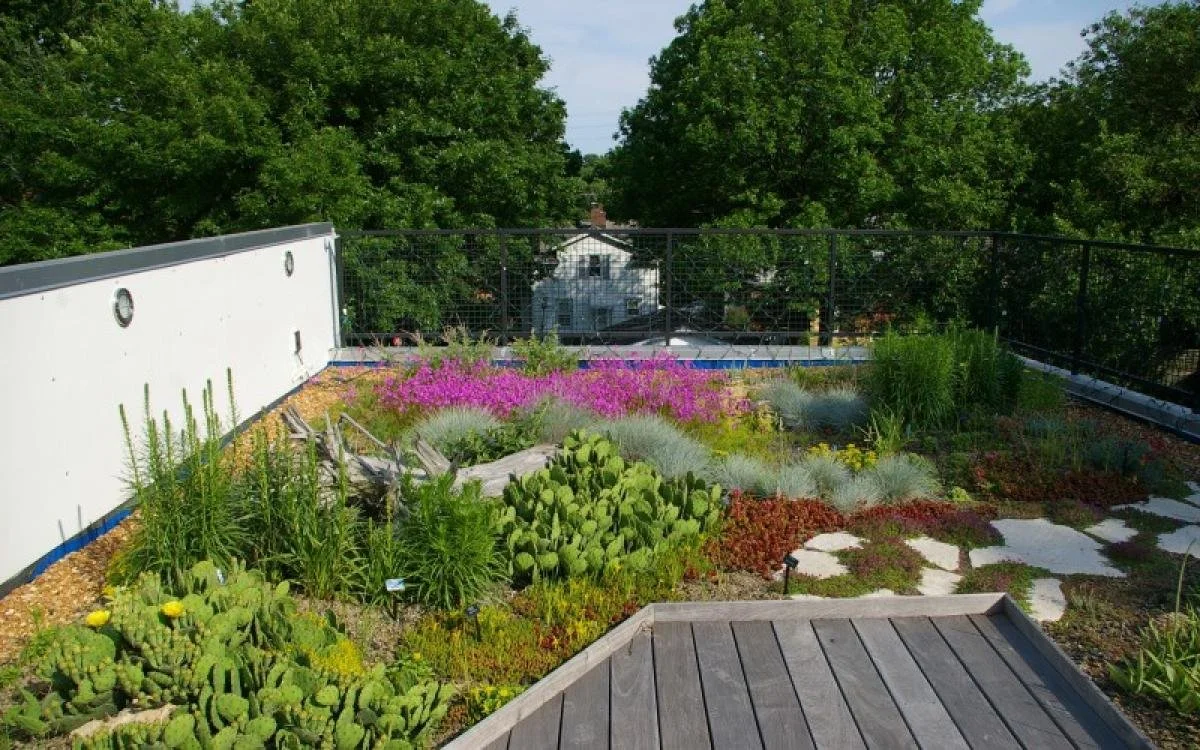
Dense, Layered, Native Planting
There are many ecosystem services that can be protected, restored, and enhanced, which we’ll explore in this and other essays. Today, we’ll focus on the vegetation life-cycle and the ways in which sustainable design can leverage the functionality of native and appropriate plants, which reduce irrigation and maintenance needs, increase habitat, and promote regional identity. By replacing lawn, hardscaping, and invasive populations with native plant communities, we create a landscape that’s as beautiful as it is functional.
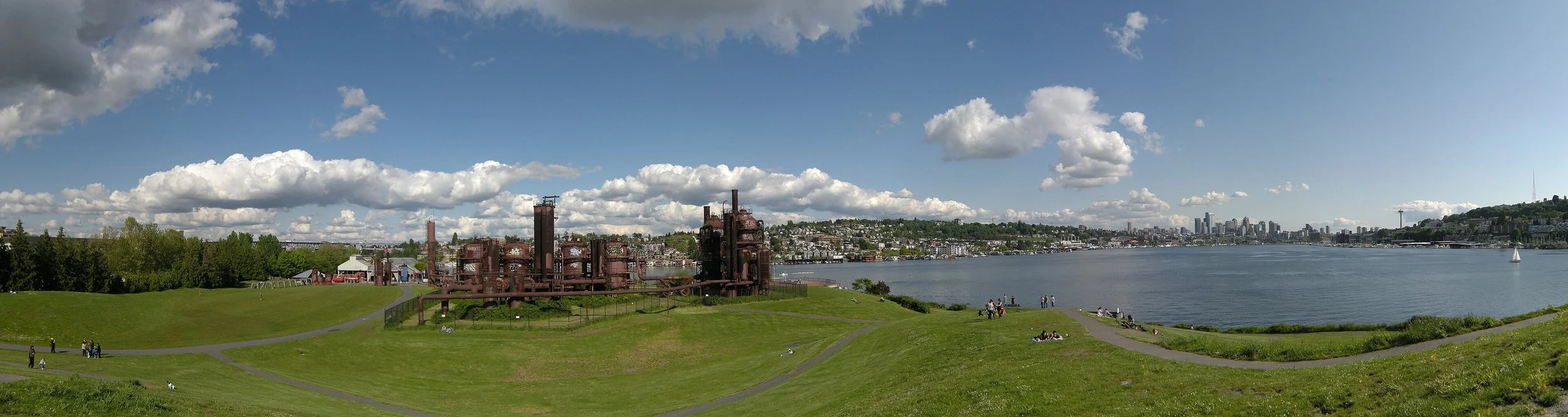
Materials Selection
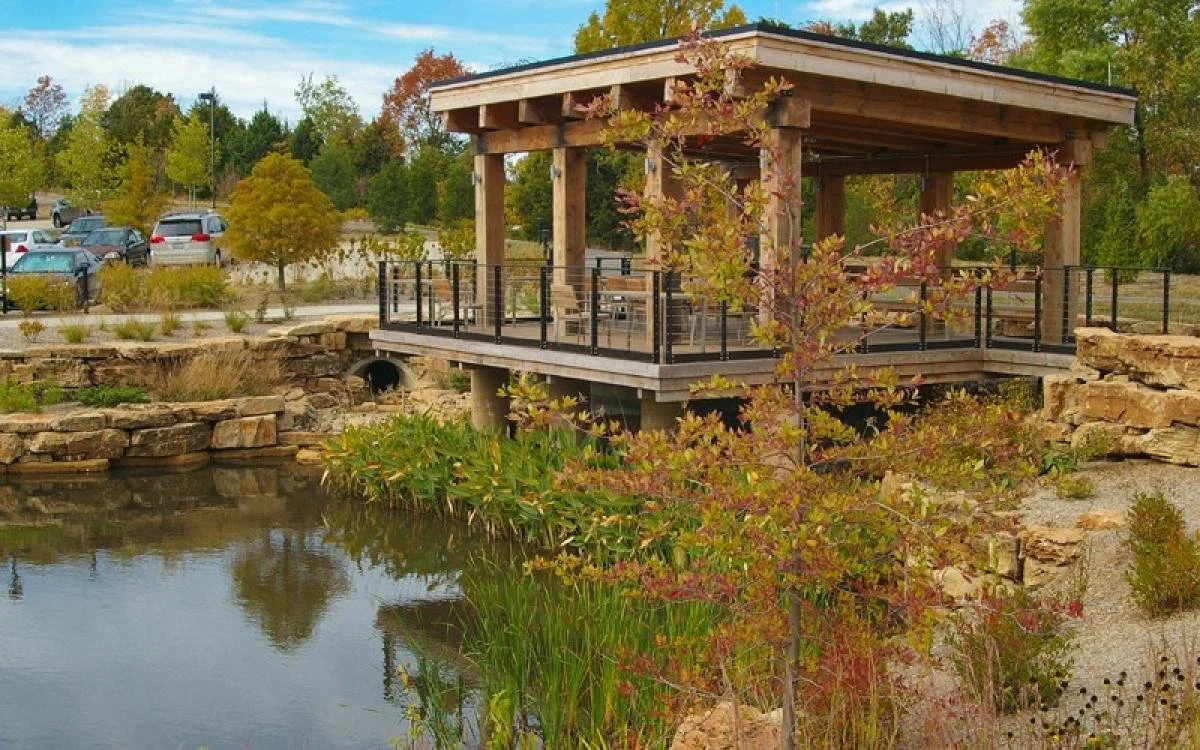
Wood, stone, vegetation, earth, metal, brick, concrete, asphalt, glass, textiles, plastic… We position these elements and install them within a site to create spaces, surfaces, seating, shade, screening, walls, water, containers, railings, visual interest, lighting, and art. And each of these has nearly endless options for color, material, finish, size, hardware, assembly, and source. No matter the material, each has its own life-cycle.
The idea is to close the loop on as many material life-cycles as possible, minimizing extraction of virgin resources and adding to landfills. As many options there are for materials, there are just as many sustainable alternatives and techniques available.
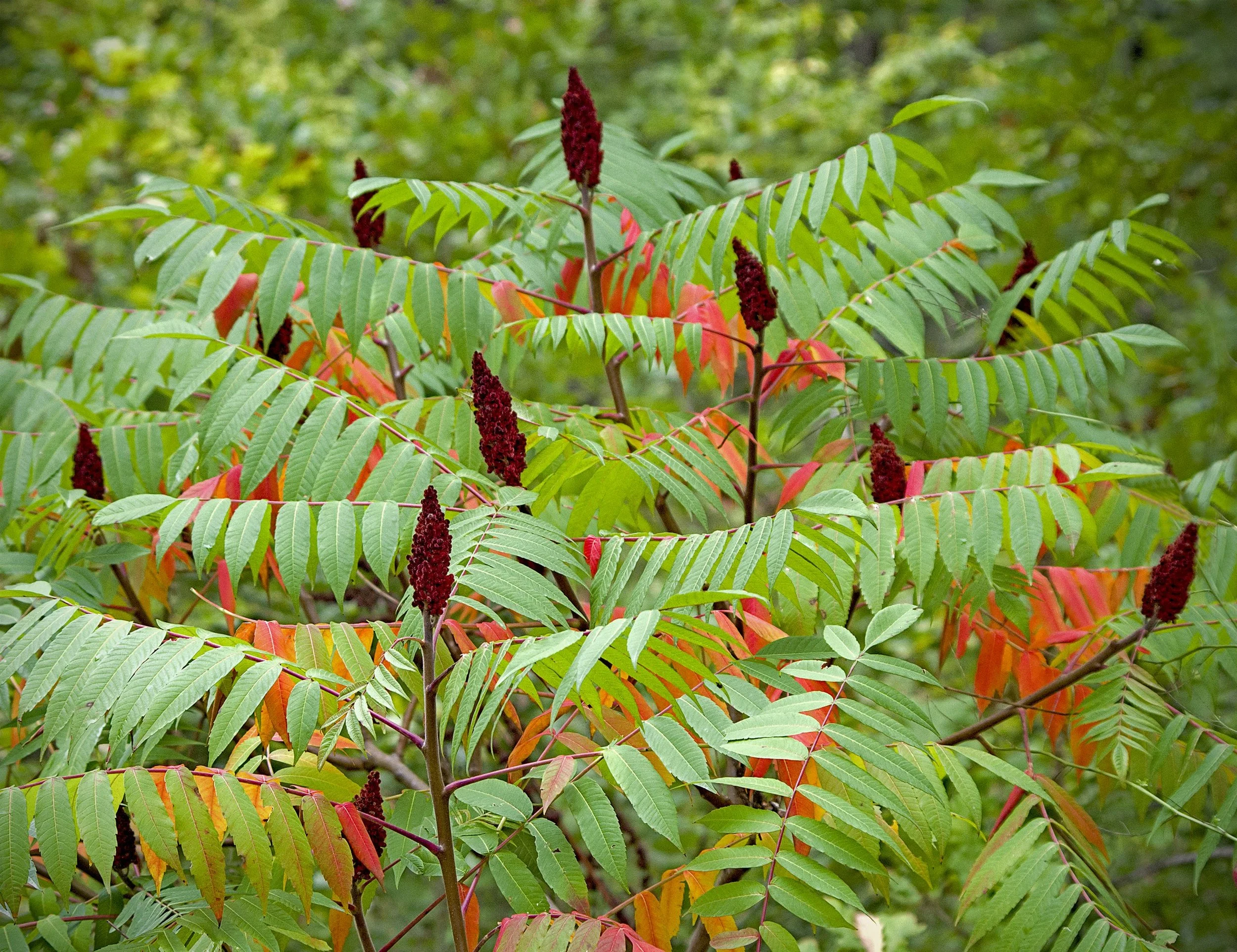
12 Native Plants of Lenapehoking
Native plants are species and communities of plants that have lived in relationship with the land and its inhabitants, long before European settlers arrived. Not only do native species “come from here” (wherever you are), their very DNA has been shaped by the regional and local environment. From the amount of annual rain to how long a growing season lasts, plants not introduced by colonists (on purpose or accidentally) have adapted characteristics alongside the land and other living organisms over thousands of years.

The Generational Garden
Discover how a North Jersey front yard was transformed into a native woodland garden designed for multigenerational connection. Learn how layered plantings, reclaimed stone, and intentional design create space for ecological healing, family memory, and ongoing relationships with land.
Handing Out Possibility
This April, we joined Liberty Science Center for their Earth Month celebrations, sharing native plants, wildflower seeds, and conversations about ecological design. Over two days, hundreds of visitors—kids and adults alike—stopped by to learn how small choices can help pollinators, build soil, and create more resilient landscapes.

Stewards in the Making
In a South Jersey schoolyard, a group of fifth graders co-designed a pollinator garden from the ground up. Through soil testing, wild sketches, native plant research, and muddy hands, they created more than just a garden — they built a living classroom, a shared project, and a small act of ecological care. Learn how we supported these young ecological designers in bringing their vision to life.

What the Lawn Remembers
In neighborhoods across America, the lawn is everywhere… and yet barely noticed. It’s a symbol, a surface, a habit. But what if we started seeing it differently? In this reflection from a landscape designer's balcony, we explore the emotional, ecological, and cultural story of the lawn—from Easter egg hunts and outdoor theater to monocultures, displacement, and design futures rooted in care. This is an invitation to see lawn not as default, but as decision.

From Lawn to Living Landscape
What started as a simple request—replacing a patchy, underperforming lawn—quickly became an opportunity to create something more meaningful. Instead of forcing grass to grow where it clearly didn’t want to, we reimagined the space as a thriving native garden, designed to work with the land rather than against it.

Unexpected Beauty
In North America, orchids are often associated with delicate beauty, tropical climates, and exotic flowers. The widespread availability of Phalaenopsis (Moth Orchids) in grocery stores over the past decade has somewhat diminished their mystique, yet they are still perceived as foreign species, cultivated for regions where they do not naturally thrive. However, orchids are not as foreign as many might think. In New Jersey alone, there are 50 native orchid species, and across the tri-state area, more than 70 species can be found.

Butterflies Aren’t Picky—We Are
So how do we embrace these "messy" ecosystems—not just as acceptable, but as beautiful? How can we shift from rejecting functional, life-giving landscapes to celebrating them? By unpacking both our biological instincts and cultural conditioning, we can begin to design a new aesthetic: one that frames hope, resilience, and a thriving future.

Deer, Mice, and Bugs, Oh My!
It is often said in the field of Landscape Architecture that when it comes to plants, clients request three things: low maintenance, year-round blooms, and deer resistance. The obvious solution to this wish list is a stunning palette of native plastic plants, perfectly complemented by a synthetic turf lawn. If, by some chance, you read that sentence and thought, "Amazing! Where can I purchase this landscape?", I urge you to stop reading and call your local football field installer immediately.

The Quiet Winter Garden
The leaves have fallen, the days grow short, and the garden takes on an air of quiet stillness. Frost creeps across the landscape, softening edges and lending the world a crystalline beauty. For many, winter is the season when the garden sleeps—but beneath the surface, life is bustling. The winter garden is a paradox: the apparent dormancy hums with hidden activity, and simplicity reveals profound complexity.